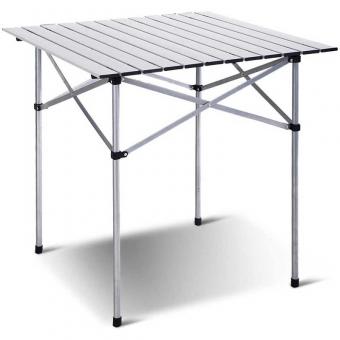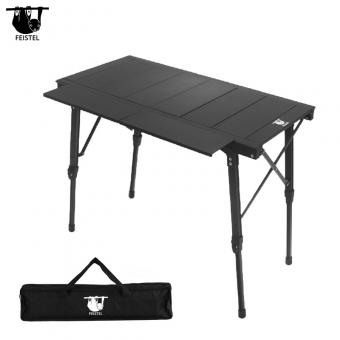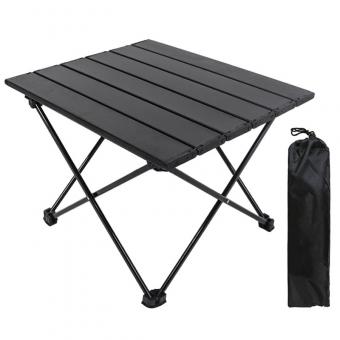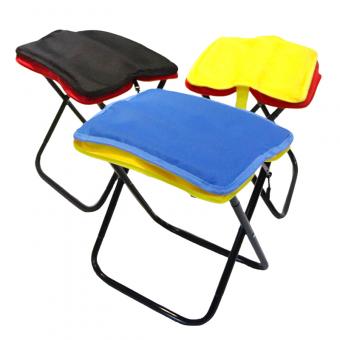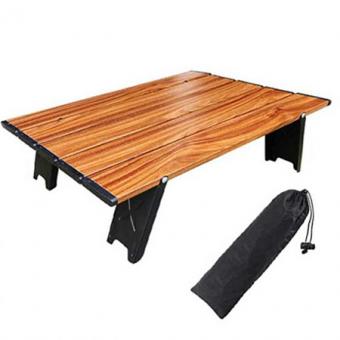
브랜드 : 안휘 FEISTEL 공장 관련제조 : OEM & ODM 상품명 : 야외활동에 적합한 가볍고 작은 접이식 피크닉 테이블입니다. 내구성이 뛰어난 소재로 제작되어 휴대가 간편하고 설치가 쉽습니다.
닐 우리 웹사이트에 오신 것을 환영합니다!
더 알아보기We compare outdoor seating through product design, real-world use and appropriately qualified research. This guide provides purchasing principles, not fabricated FEISTEL test outcomes or customer testimonials.
Quick Summary
Lawn chairs and camping chairs overlap in function; specifications matter more than labels.
Seat fit, feet, frame construction and packed shape influence suitability.
Research supports general design mechanisms, not untested brand claims.
A lawn chair is commonly associated with gardens, lawns, backyard gatherings and casual outdoor relaxation. A camping chair is commonly designed around temporary outdoor use, frequent setup, transport and storage. These names overlap: a foldable lawn chair can work at a car campsite, while a conventional camping chair can be a useful backyard seat. At FEISTEL, we recommend evaluating the actual frame, seat dimensions, fabric, packed size and intended ground conditions before drawing conclusions from the product name.
Neither category is inherently stronger, safer, more comfortable or longer-lasting. Those outcomes depend on product-specific design and evidence. Our comparison therefore separates ordinary design tendencies from measurements, published scientific research and specifications that would require a completed product test.
A lawn chair describes outdoor seating intended for convenient use near homes, gardens, parks and gatherings. Traditional examples include metal-framed webbing chairs and flat-folding seats, but modern designs may use padded textiles, polymer details or adjustable backrests. There is no single frame geometry, official seat height or material that applies to every chair described this way.
When we evaluate a lawn-chair concept for a customer, we start with the expected activity: conversation, outdoor meals, spectatorship or relaxation. We then consider ease of opening, user access, cleaning, available storage space and visual style. We do not treat a familiar appearance as proof of structural reliability; hinges, attachments and fabric tension still need appropriate evaluation.
A camping chair is portable seating intended for trips, campsites and other changing outdoor locations. It may be a bundled quad-fold chair, a compact pole-and-sling model, a low-profile chair or a larger high-back design. Transport distance and the need for repeated assembly often influence its structure more strongly than they do for a chair that stays close to a house.
For our product-planning discussions, we separate car camping from backpacking. A vehicle-supported trip can justify a larger seat or more accessories; a walking route creates stronger pressure to reduce carried mass and awkward packed dimensions. No specification should be optimized in isolation: lowering weight can change frame stiffness, seating geometry and manufacturing cost.
They are overlapping commercial categories, not mutually exclusive engineering standards. One seller may call a particular folding model a lawn chair; another may list a similar model under camping furniture. To avoid confusing buyers, FEISTEL favors descriptions that identify the actual intended activity and verifiable product attributes.
We suggest asking five questions before selecting either type: Where will the chair be used? How far must it be carried? How long will a person sit? What body dimensions need accommodation? What storage and maintenance limitations apply? Answers to those questions are generally more informative than the category label alone.
Our table highlights tendencies rather than universal claims. For individual products, always request a model-level specification sheet and confirm whether measurements include the carrying bag or accessories. A claim of greater durability is not supported merely by being classified as a camping chair.
|
Factor |
Lawn Chair |
Camping Chair |
|
Typical association |
Backyard, garden, lawn |
Campsites and portable recreation |
|
Typical folding format |
Often flat folding |
Bundle, flat fold or detachable |
|
Carrying |
Optional strap or handle |
Carrying bag often offered |
|
Footing |
Depends on foot geometry |
Depends on foot geometry |
|
Comfort |
Depends on user fit |
Depends on user fit |
|
Strength |
Requires model-level evidence |
Requires model-level evidence |
Seat height affects the movement required to lower the body into a chair and rise again. In a study of 55 community-dwelling older adults, Kuo reported that chair height significantly affected performance on the 30-second chair-stand test (F = 57.50, p < 0.001). The study used seat heights related to each participant’s lower-leg length; it did not identify a universally ideal outdoor-chair height [1].
For FEISTEL design discussions, the practical lesson is to measure both the unoccupied geometry and the expected occupied position of flexible fabric seats. A low seat can suit relaxed sitting but may require more effort to exit; a high seat can be difficult if the user’s feet do not rest comfortably on the ground. We would not advertise any fixed height as suitable for all older adults or people with reduced mobility.
Overall chair width is not usable seat width, and overall depth is not usable seat depth. The user needs sufficient hip clearance, thigh support and accessible armrests. Body dimensions vary, so an appealing standard dimension can still fit many people poorly. A 2024 study of computer-laboratory furniture assessed 380 participants and 11 body measurements and documented substantial furniture-to-user mismatch [2].
That study concerns university students and work furniture, not FEISTEL camping chairs; its dimensions should not be copied into our product catalog as a universal specification. We use it as methodological support for defining a target population, measuring actual seating surfaces, and reviewing fit with representative users before freezing an OEM or ODM design.
A high back provides more potential contact area for the upper back and sometimes the head. A low back may simplify storage, reduce material and facilitate upright activities. Neither condition proves that the chair has better ergonomics: backrest inclination, lumbar contour, seat angle, fabric tension and the user’s posture all contribute to how it feels.
We advise buyers to define the target activity rather than request a high back solely because it sounds more comfortable. Sitting at an outdoor dining table is different from reading or relaxing with legs extended. The height of a backrest and its actual support quality should be considered separately. We do not claim that any FEISTEL chair prevents back pain without product-specific clinical evidence.
Initial softness is not the same as sustained comfort. A seat may feel pleasant during a brief showroom trial yet allow excessive sagging later. Conversely, a firmer design may offer consistent support for some people. Pressure distribution, ability to change posture, temperature and contact with frame members all affect the experience. We therefore describe comfort as a user-dependent result rather than a universal attribute.
For a repeatable comparison, we recommend recording observations at several sitting intervals, noting pressure points, ease of shifting position and the effort of standing up. Participants should represent different body sizes. Such a procedure is a recommended evaluation method, not a claim that FEISTEL has already completed a controlled comfort trial or obtained a particular customer satisfaction percentage.
Flat-folding lawn-style frames, bundled multi-leg chairs and detachable pole systems solve different packaging problems. A flat profile can be convenient against a garage wall; a narrow bag can be easier to carry; a detachable construction can be compact but need more assembly steps. The mechanism should be judged through opening effort, secure deployment and packed shape, not only its folded volume.
In FEISTEL specification discussions, we recommend a first-use assembly check by repeated opening and closing trials. Useful observations include unclear steps, difficult fabric attachment, pinch points and loose or missing components. These are proposed checks for a purchasing program, not invented results from our production line.
Steel and aluminum alloys can both serve outdoor-chair construction, but the properties of a complete chair depend on tube geometry, joint design, fasteners, surface treatment and workmanship. Aluminum often helps achieve lower mass at a given design target; steel may offer favorable cost and manufacturing characteristics. A material name alone cannot establish a greater certified load rating or longer lifetime.
We would verify material selection together with connection details and environmental exposure. Aluminum is not entirely immune to corrosion, especially where dissimilar metals and moisture create unfavorable conditions. For a coastal-use concept, protective finishes and hardware compatibility deserve attention. Product-specific corrosion claims require actual evidence for the relevant assembly.
Fabric descriptions require precision. The designation 600D generally relates to yarn linear density; it does not by itself prove finished-fabric abrasion resistance, tear strength, waterproofness or UV durability. Coatings, weave, stitching and fabric-to-frame attachments can change performance substantially. Breathable mesh may help airflow, but an isolated mesh panel does not guarantee that an entire chair feels cooler under every condition.
At FEISTEL, our recommended purchasing specification separates fiber composition, yarn designation, weave or coating, seam details and any required test method. When a buyer asks for “heavy-duty fabric,” we suggest replacing that phrase with measurable acceptance criteria. We avoid presenting an unverified 600D label as a certification of strength or service life.
Outdoor exposure can change textile performance even before obvious surface damage appears. Rajendran and DenHartog tested four colors of high-tensile nylon 6,6 webbing under a specified accelerated UV protocol and reported tensile-strength reductions of approximately 20% for three colors and 6% for white after their 15-day laboratory exposure [3]. These are results for the studied webbings and accelerated conditions, not deterioration rates for camping chairs or FEISTEL products.
We use this research to explain why an outdoor fabric specification should identify the material and exposure test rather than promise a fixed number of seasons. Real-world sunlight, moisture, finishing chemistry and storage practices vary. Only tests on a representative FEISTEL material or completed product could justify a brand-specific durability claim.
A manufacturer-declared maximum user weight is one specification, not a complete picture of chair safety. Sitting abruptly, leaning sideways and pushing on armrests can change the directions and concentrations of force in the frame. Seat fabric attachments and hinges may be limiting components even when the main tubing appears substantial.
For a wholesale inquiry, we recommend confirming the named test method, edition, sample identification, loads, acceptance criteria and results. ISO 7173:2023 describes methods for evaluating structural strength and durability of seating, but it does not cover ageing, ergonomics or upholstery-material durability [4]. We do not claim compliance for a FEISTEL model without a matching report, and we do not equate a higher advertised capacity with proven superior safety.
Chair feet transfer load to the ground. Under simplified comparable conditions, average contact pressure is force divided by contact area (P = F/A). A wider foot can reduce average pressure, but ground behavior also depends on soil moisture, compaction, foot geometry and how the user shifts weight. A low chair is not automatically less likely to sink into sand.
Our selection advice is to check actual support-foot shape and the intended ground type. On gravel, uneven contact may matter; on wet grass, local sinking may matter; on a hard patio, secure deployment and a level surface matter. We would not publish a measured sinking depth or category-wide stability score unless it came from a documented comparison protocol.
Portability is not simply the lowest net weight. A long flat package may store efficiently but feel awkward during a walk; a narrow bundle may be easier on the shoulder yet occupy an inconvenient compartment in a vehicle. Carry-bag quality, handle position and the total weight of accessories affect practical handling.
We recommend comparing the complete packed object rather than its frame alone. For car camping, consider the vehicle compartment; for festivals, consider walking distance and what else is being carried; for backpacking, consider how the chair affects the whole load. These are scenario-based recommendations, not statements that one FEISTEL design has already outperformed another in a transport trial.
At a barbecue or garden gathering, users often alternate among eating, talking, standing and relaxing. A moderately upright seat may be more practical near a table than a deeply reclined model. Ease of opening, stable support and a surface that can be cleaned after outdoor meals often matter more than extreme weight reduction.
Our advice is to match chair height and posture to the furniture around it. If many visitors will share the seating, allow for differences in body dimensions. A lawn chair may suit this setting; a camping chair may also work well if its usable dimensions and visual style match the space.
Car camping allows more flexibility in weight, but storage is still finite. Large padded chairs may be comfortable at a campsite yet difficult to fit among tents, coolers and sleeping equipment. RV compartments may favor either a flat-folding or narrow-bundle format depending on their geometry.
For these uses we recommend taking measurements of the intended storage space before purchasing in quantity. Check the chair’s fully packed size, operating clearance and ease of folding after a muddy or wet outing. Either category can be appropriate if the specific model fits the trip.
When a chair must travel on foot, every additional item competes with shelter, water, food and safety equipment. Compact camping-chair constructions generally address this problem more directly than traditional broad folding lawn chairs, but some travelers may decide that carrying any separate chair is unnecessary.
We encourage buyers to judge a backpacking seat as part of the total equipment system. Look for secure packaging, realistic carried weight, straightforward assembly and dependable footing on the intended terrain. A low number on a scale does not automatically demonstrate sufficient comfort or stability.
Beach use creates a combination of soft sand, long carrying distances, moisture and possible salt exposure. Ground-contact shape is more informative than the category name. A broad foot may be preferable to a narrow one in some conditions, but actual results depend on the sand and user load. A lower seat changes posture and center-of-mass geometry but does not by itself prevent sinking.
For coastal-use development, we recommend reviewing the complete assembly—including fabric, finish, bolts and other hardware—for cleaning and corrosion considerations. We cannot convert a generic aluminum-versus-steel comparison into a promised service life. Owners should follow the model-specific cleaning and storage instructions.
Event rules may limit chair height, and some venues restrict chair types altogether. At sports sidelines or fishing locations, the ability to stand up promptly and position the legs securely may matter more than deep reclining. Long walks from parking areas can make carrying arrangements especially useful.
We recommend checking venue rules before purchase, and evaluating the support surface before sitting. Avoid uneven slopes and unstable edges. Products that are suitable for a dry lawn are not automatically suited to a muddy bank or loose gravel; the user should assess the specific ground conditions.
Accessibility is a question of fit and movement, not a marketing label. A low seat can demand more effort when standing; an excessively high one can prevent secure foot contact. Armrests may help users orient their movements, but their capacity and use must follow the manufacturer’s instructions. A chair is not a medical mobility aid unless explicitly designed and qualified for that function.
Our practical recommendation is to prioritize stable placement, an appropriate occupied seat height and a clear path for sitting and standing. Individual requirements vary considerably. We do not promise that a named FEISTEL chair meets clinical needs without appropriate evidence and professional assessment.
Dry storage and routine inspection are practical ways to manage avoidable damage. After outdoor use, remove dirt as permitted by the care instructions and allow wet components to dry before long-term storage. Inspect joints, fabric sleeves, seams, bolts and opening mechanisms for unusual wear. A damaged structural component may make continued use unsafe.
We recommend that distributors provide model-specific care instructions rather than one universal statement for every outdoor chair. Cleaning chemistry, coatings, fabric construction and service conditions differ. No general maintenance advice should be read as an extension of the manufacturer’s declared warranty or an assurance of indefinite lifespan.
Lower product weight does not automatically mean lower environmental impact. Material production, manufacturing, shipping, maintenance, actual use count and end-of-life handling all matter. Recyclability labels alone can be misleading where mixed materials are difficult to separate. Without a consistent functional unit and life-cycle inventory, comparing two chairs’ environmental performance remains uncertain.
For FEISTEL-facing product planning, we recommend asking about material choices, efficient packaging, realistic repair options and documentation behind recycled-content claims. We do not state that any FEISTEL chair has a lower carbon footprint than a competitor without a defensible product-specific life-cycle assessment.
At FEISTEL, we work in outdoor product development, manufacturing and export. For a buyer seeking to compare proposals, we recommend an evidence trail from approved specifications to representative samples and the applicable inspection or test report. This is our recommended approach for a purchasing discussion; it does not imply that every model has undergone identical testing or achieved the same certification.
Useful review items include dimensions, seam finishing, frame connections, operating clearances, package contents and labeling. Where structural or environmental performance is claimed, the relevant standard or protocol must be identified. The particular tested model, report date and test conditions should agree with the claim made on the product page.
We suggest defining the intended activity first and then writing the same measurement and observation protocol for both candidate chairs. Compare usable dimensions and occupied seat height; weigh the complete package; record setup effort; observe placement on the intended ground; and have representative users rate comfort at planned intervals. Keep measured data separate from subjective feedback.
We would report sample counts, conditions, dates, evaluation criteria and limitations before calling any result a comparative test. We do not attribute sample scores, failure rates or customer survey percentages to FEISTEL unless those records are actually available. A transparent method is more useful to international buyers than an unexplained “best chair” ranking.
Our starting point is the intended market and the buyer’s specifications: target user dimensions, seat geometry, frame material preferences, packed size, carrying method, expected environment, accessories and required verification. A private-label program may focus on branding, fabric colors and packaging; a more extensive ODM program may require changes to geometry, components and prototype validation.
We recommend documenting each agreed design change and rechecking its implications. A different fabric, tube size or folding connection can affect finished-chair behavior. For production-related performance claims, the final specification and representative test evidence matter more than a general statement about factory experience. Buyers can review our company information and discuss their specific program at FEISTEL About Us.
A hammock changes the type of support: it suspends the user in fabric rather than providing an upright rigid chair frame. It may be appropriate for relaxed reading or resting, but it is not necessarily suitable for dining, frequent sit-to-stand movements or locations without appropriate installation conditions. We recommend it as a complementary option, not a universal replacement for a lawn chair or camping chair.
If suspended relaxation is part of your product assortment, explore our FEISTEL hammock collection. The category includes portable single hammocks and designs with mosquito netting. Check each product’s current listing, included accessories, installation directions and declared limits before selecting it. In keeping with this article’s product-link policy, our commercial product recommendations are limited to this FEISTEL hammock category.
Can I use a lawn chair at a campground? Yes, if it is safe for the specific ground, fits your transport needs and is used in accordance with the manufacturer’s instructions. Its product label alone does not determine suitability.
Are camping chairs stronger or lighter? Not as a category-wide rule. Compare specific construction, actual packed weight and appropriate test evidence. A high declared weight capacity by itself is not a complete safety assessment.
Does a high back guarantee better comfort? No. Backrest angle, seat fit, fabric tension and user preference also matter. Test the posture and activity you actually expect.
What does 600D mean? It is a yarn linear-density designation, not an all-purpose tear-strength, abrasion, waterproof or UV certification.
Are lawn chairs suitable for older adults? Some may be, depending on occupied seat height, armrest function, stability and individual needs. No chair category is automatically suitable for every person.
Which chair handles beach sand best? Compare foot geometry, ground pressure and actual sand conditions. Neither a lawn-chair nor camping-chair label guarantees resistance to sinking.
Can buyers request FEISTEL test documentation? Buyers can specify the model, target market, applicable tests and evidence they need during an inquiry. Any compliance statement should be based on the report for the relevant model rather than a general company-level claim.
A lawn chair can be an excellent camping seat when transport and terrain requirements are modest. A camping chair can be an excellent backyard seat when its height, comfort and appearance match the setting. The winner is not a category; it is the actual product that fits the real task.
Our FEISTEL perspective is to make comparisons traceable. We start with the usage scenario, move to dimensions and materials, and distinguish evidence-backed specifications from personal preferences or unverified claims. That approach helps shoppers make sensible decisions and helps importers communicate clearer requirements for OEM and ODM outdoor products.
카테고리
브랜드 : 안휘 FEISTEL 공장 관련제조 : OEM & ODM 상품명 : 야외활동에 적합한 가볍고 작은 접이식 피크닉 테이블입니다. 내구성이 뛰어난 소재로 제작되어 휴대가 간편하고 설치가 쉽습니다.
상표 : 안후이 파이스텔 공장 제조업과 관련 : OEM 및 ODM 제품 : 맞춤형 경량 금속 철 접이식 문 의자는 야외 캠핑에 이상적인 내구성 있는 지지력과 편안함을 제공하며, 휴대하기 편리한 소형 디자인으로 운반 및 보관이 간편합니다.
브랜드 : 안휘 FEISTEL 공장 관련제조 : OEM & ODM 제품 : 야외 휴대용 접이식 롤업 피크닉 테이블: 가볍고 내구성이 뛰어난 알루미늄 디자인으로 높이 조절이 가능하고 설치가 간편하며 캠핑, 피크닉, 야외 활동을 위한 컴팩트한 운반용 가방이 있습니다.
브랜드 : 안휘 FEISTEL 공장 관련제조 : OEM & ODM 상품명 : 다리 높이 조절이 가능한 다용도 휴대용 IGT BBQ 캠핑 테이블입니다. 야외 요리, 캠핑, 피크닉에 이상적입니다. 가볍고 접을 수 있어 휴대가 간편합니다.
브랜드 : 안휘 FEISTEL 공장 관련제조 : OEM & ODM 상품명 : 캠핑, 해변, 야외활동에 적합한 컴팩트하고 가벼운 알루미늄 접이식 테이블입니다. 휴대하기 쉽고 튼튼하며 음식과 음료를 담는 데 이상적입니다.
상표 : 안후이 파이스텔 공장 제조업과 관련 : OEM 및 ODM 제품 : 이 캠핑용 접이식 나무 라운지 의자는 튼튼한 프레임, 인체공학적 리클라이닝 디자인, 컴팩트한 접이식 구조를 갖추고 있어 해변, 캠핑장 또는 뒷마당에서 휴식을 취하기에 완벽합니다.
상표 : 안후이 파이스텔 공장 제조업과 관련 : OEM 및 ODM 제품 : 이 야외용 접이식 알루미늄 프레임 캠핑 의자는 조절 가능한 등받이와 가볍지만 견고한 디자인을 자랑하며, 캠핑, 해변 여행, 피크닉, 야외 휴식에 휴대하기 편리하고 편안함을 제공합니다.
상표 : 안후이 파이스텔 공장 관련 제조 : OEM 및 ODM 제품 : 등산 및 배낭여행용 미니 의자는 내구성이 뛰어난 옥스퍼드 원단으로 접이식 디자인을 갖추고 있으며, 독창적인 필통 주머니가 있어 캠핑과 야외 활동에 휴대성, 편안함, 실용성을 제공합니다.
상표 : 안후이 파이스텔 공장 제조업과 관련 : OEM 및 ODM 제품 : 도매 하이킹 장비 여행용 침대는 높이 조절이 가능한 접이식 캠핑용 침대로, 튼튼한 지지력, 간편한 휴대성, 야외 모험을 위한 편안한 휴식을 제공합니다.
브랜드 : 안휘 FEISTEL 공장 관련제조 : OEM & ODM 상품명 : 내구성이 뛰어난 프레임, 손쉬운 설치, 여행에 편리한 운반 가방을 갖춘 배낭 여행에 적합한 야외용 초경량 싱글 콤팩트 휴대용 접이식 캠핑 침대입니다.
연결 상태를 유지하자 :