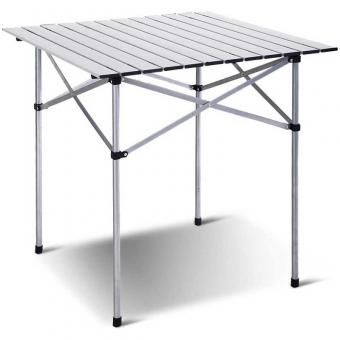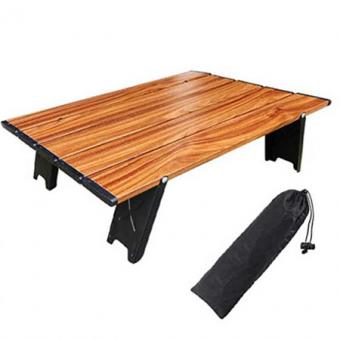
브랜드 : 안휘 FEISTEL 공장 관련제조 : OEM & ODM 상품명 : 야외활동에 적합한 가볍고 작은 접이식 피크닉 테이블입니다. 내구성이 뛰어난 소재로 제작되어 휴대가 간편하고 설치가 쉽습니다.
닐 우리 웹사이트에 오신 것을 환영합니다!
더 알아보기At FEISTEL, our outdoor-product manufacturing and export work puts practical specification choices at the center of product development. This guide compares the advantages and limitations of cotton and nylon while keeping finished-product performance distinct from generic fiber claims. No unreported FEISTEL controlled study, lifetime estimate, or customer survey is presented as fact.
Cotton and nylon answer different needs. Cotton woven into a generous lounging hammock is appealing when softness, a familiar textile feel and a sheltered location matter more than how much the product weighs. Lightweight nylon is particularly useful when the hammock must travel, pack into a small space and recover from damp conditions between trips. Neither fiber, by itself, determines safety, comfort or longevity.
At FEISTEL, we suggest identifying the use case before treating a fabric name as a product verdict. A porch hammock used after work and an overnight backpacking bed are both hammocks but function as different systems. The former can reasonably prioritize touch and appearance. The latter must account for the carried shelter, underside insulation, suspension, weather, and repeated packing.
Our short recommendation: choose a suitable cotton construction for protected home lounging when you prefer its handle; choose an appropriately specified nylon camping hammock for compact travel; consider polyester when UV exposure and dimensional stability are priorities. Confirm the assembled model rather than projecting generic material properties onto every SKU.
A hammock bed is a suspended textile carrying a shifting person. That makes its performance a combination of fibers, yarns, weave or knit, seams, end attachments and hanging geometry. The label cotton or nylon identifies the main fiber family but tells little about the complete construction. Two nylon hammocks can have very different mass, usable width, support sensation and tested capacities. Two cotton hammocks may differ just as much.
An effective comparison begins with the exact bed format. Is it woven cloth, rope, open mesh, quilted fabric or a gathered-end camping bed? Is it designed for daytime lounging or overnight sleep? Does the package include straps or only the textile? What will happen when it gets wet? These questions give meaning to subsequent specifications instead of treating material names as a universal ranking.
For a sourcing conversation, we would put the finished-product description before the price quotation. It is easier to compare samples once both sides agree on size, fabric construction, suspension, accessories and inspection criteria.
Cotton fibers are cellulose-based and commonly made into woven or rope-style leisure hammocks. Depending on yarn and finishing, the surface can feel soft, familiar and less slick than a smooth synthetic textile. Those characteristics help explain why cotton remains attractive for covered terraces, gardens and indoor relaxation.
Cotton takes up moisture, so wet conditions are a central part of its care story. A damp hammock can become heavier, take longer to dry and be unsuitable for storage until thoroughly dry. Long exposure in wet conditions can also create opportunities for unwanted microbial growth, especially when storage is poorly ventilated. These are reasons to define suitable use, not proof that every cotton product fails outdoors.
A shopper who wants a cotton hammock should evaluate weave density, fabric mass, seams, dimensions, attachment design and washing instructions. The best quality cue is not simply whether the fiber is natural. It is whether the complete construction makes sense for the intended location.
Nylon is a family of polyamide fibers used in many portable textile products. The outdoor advantage is the ability to create useful fabric strength at relatively low carried mass, using a variety of yarn sizes and weaves. This is one reason compact gathered-end camping hammocks often use nylon cloth rather than thick cotton canvas.
A nylon hammock should not be advertised as waterproof merely because its fibers are synthetic. A woven bed can admit rain through seams and fabric openings, while nylon itself absorbs some moisture. It can dry substantially faster than thick cotton in comparable circumstances, but there is no universal number of minutes that applies to all constructions or weather conditions. UV exposure can also degrade nylon, so it is not an excuse for indefinite outdoor storage.
We recommend treating nylon as a practical material choice for hiking and travel, then asking separate questions about fabric specification, dimensional suitability, load-bearing construction and the protection needed for the destination.
The most useful comparison is made between finished products of similar purpose, not a heavy backyard cotton bed and an unusually thin hiking hammock presented as though fiber chemistry explained the entire difference. For many typical products, cotton leans toward a familiar tactile feel and more demanding wet-weather care, while nylon often enables lighter, smaller travel designs.
Comfort has several components: skin feel, body position, fabric stretch, usable room, airflow, thermal insulation and the ability to move during the night. Cotton may win a hand-feel preference without outperforming a properly fitted nylon bed for backpacking. Nylon may win on packing volume without being preferable as a permanent decorative item indoors.
At FEISTEL, we prefer showing the exact product dimensions, packing configuration and included accessories alongside the fiber name. A buyer can then compare useful trade-offs rather than relying on an exaggerated star rating.
Fiber means the basic material: cotton cellulose or nylon polyamide. Yarn is the strand made from the fibers or filaments. Weave determines how yarns cross, creating a surface with particular density, stiffness and tear behavior. Finish describes treatments, dyeing, coatings or other processing applied to that structure.
A marketing claim such as strong nylon may conceal substantial differences in fabric weight, thread spacing, seam quality and the way the gathered ends are formed. Cotton likewise varies from smooth broadcloth to thick canvas and open rope constructions. To specify a hammock for production, a procurement sheet should identify what the supplier means by each textile descriptor.
We therefore distinguish material selection from product validation. Choosing a suitable fiber is an early development decision; proving the finished hammock meets the intended loading and care requirements demands evidence for the final approved design.
A soft cotton surface can feel pleasant against bare skin, but softness is not a fixed property of a fiber independent of the fabric. Fine nylon yarn in a smooth weave may also feel very soft. Cotton rope can create localized pressure where individual strands contact the body. Heavy canvas may feel relatively stiff until it has been used.
When evaluating touch, consider hand feel while seated and lying down, not simply while rubbing an unloaded fabric swatch. The suspended bed changes tension and may bring seams or edges into contact with the user. Individual sensitivity, clothing and temperature also change preference.
We do not advise saying that cotton is always more comfortable. Instead, describe the surface honestly and let the user select based on actual texture, body support and expected use. If touch is the main purchase criterion, a representative fabric sample can be more informative than a generic claim.
A backpacker must carry the complete system repeatedly, sometimes over long distances. Compared with substantial cotton lounging cloth, compact nylon gathered-end hammocks can save space in a pack. Their portability is a main reason lightweight camping products commonly use nylon.
The entire sleeping kit still matters. Straps, connectors, a tarp, bug net, stakes and insulation may add more weight than the fabric bed itself. Comparing a nylon body without accessories to a cotton complete kit is unfair. We advise checking whether the manufacturer publishes bare-hammock weight or the weight of everything in the retail package.
Even a very light hammock is a poor backpacking choice if the sleeper lacks suitable anchors or weather protection. Material selection and trip planning should be considered together.
Vehicle access changes the trade-offs. Weight and bulk may be less restrictive, allowing a cotton hammock to work for relaxed daytime use if drying and storage are manageable. Nylon remains practical for campers who want easy packing or who may move between sites frequently.
The question becomes how much of the camping routine is devoted to hanging and caring for the hammock. A large cotton bed can offer a pleasant lounge zone for several hours. A nylon hammock may be convenient for unplanned rests, brief excursions or quick packing before departure.
We recommend building the assortment around the customer journey: arrival, setup, lounging, overnight shelter if relevant, packing and maintenance. A fabric that makes one step pleasant can make another more demanding.
Protected outdoor spaces give cotton a stronger case. A hammock under a substantial roof, away from persistent rain and stored appropriately, can prioritize decorative texture and a warm domestic look. The user may not care about packed volume because the bed travels only a few meters.
Nylon can also serve a porch, especially when compact storage or washable practicality matters. It need not be excluded from residential use simply because it is associated with hiking. The final choice depends on the desired appearance, comfort sensation, support geometry and exposure.
For importers supplying home-lifestyle retail, product photography and touch may influence preferences. But marketing should still identify the exact bed dimensions and how it is installed rather than treating cotton itself as proof of comfort.
Beach settings can involve salt-containing moisture, sand, wind and intense sunlight. A fabric suitable for a sheltered beach house may not be appropriate for a hammock left outside every day. Cotton can work well for covered relaxation where it can be dried and stored. Nylon can support portable setups that are packed after use.
Neither fiber solves the anchor problem. Many beaches lack appropriate trees, and local restrictions may prohibit hanging. A suitable rated stand can be relevant for vehicle-accessible settings, though it adds weight and must be installed on appropriate ground.
We suggest separating the beach-use claim into two requirements: the fabric must fit the moisture and care conditions, and the suspension system must be approved for the actual location. Claims such as all-weather beach hammock are incomplete without those details.
Travelers often want equipment that packs without consuming valuable luggage space. Light nylon cloth can be advantageous here, particularly when the hammock is for occasional stops and hotel or campsite recreation. A thick cotton hammock may feel pleasant at the destination but occupy more packing volume.
There are exceptions. A small cotton rope or net design might pack more easily than an elaborate nylon shelter system with several accessories. Compare actual closed dimensions, carried weight and the number of components. The shape of the packed bag also matters for luggage.
A useful retailer description should explain whether the product is a casual travel bed, an overnight camping system, or a residential leisure hammock. That is more precise than calling every compact product a backpacking hammock.
Ripstop commonly refers to a reinforcing yarn arrangement intended to help inhibit the propagation of certain tears. It does not promise that a fabric cannot tear, nor does it establish the strength of the finished hammock. Performance depends on yarns, grid spacing, fabric mass, coatings, sewing and the direction of the applied forces.
A smooth nylon fabric without a visible grid can also be suitable for a hammock if it meets the specification and loading requirements. In some products, comfort and quietness of the surface may matter more to the user than the appearance of the reinforcement pattern.
When FEISTEL discusses ripstop for a custom project, we recommend defining what failure mode the customer is concerned about. Abrasion on rocks, seam damage and a localized cut are different problems and may require different engineering responses.
The designation 210T generally refers to a thread-count-related fabric construction convention. It does not mean the fabric is 210 denier, 210 grams per square meter, or automatically rated for a particular occupant weight. The exact counting convention and fabric specification should be confirmed with the supplier.
FEISTEL lists 210T parachute nylon for its 300 × 200 cm camping hammock models. This identifies a useful aspect of the textile specification, but it is not a complete strength or durability certificate. Buyers should also verify finish, seams, suspension, the finished design and model-specific load documentation.
A specification sheet becomes more useful when 210T is accompanied by practical measurements and inspection criteria rather than a generic promise of heavy-duty performance.
Denier describes yarn linear density. It does not independently determine the tensile or tear strength of a finished cloth. Fabric mass is commonly expressed in grams per square meter or ounces per square yard. A heavier fabric may use more material, but yarn type, weave and processing still affect performance.
Neither number is a direct substitute for finished-product load testing. A hammock is a sewn assembly with concentrated load transfer at its ends, and those details can govern failure even when the central fabric panel remains intact.
For product developers, denier and fabric mass belong in an approved material specification. They should not be converted into a universal table assigning occupant limits across different brands or constructions.
The number of fabric layers is separate from the choice of cotton or nylon. A wide nylon hammock can have a single fabric bed; a smaller hammock can be built with two layers. Double-layer construction may be selected for altered stretch behavior or a purpose-designed sleeping-pad compartment.
A second sheet of fabric is not automatically an extra safety margin equal to the strength of the first sheet. Different layers may not carry load equally, especially when they have different stretch properties or are assembled differently. The correct rating requires evaluation of the finished model.
We recommend stating layer count clearly for OEM/ODM sourcing and explaining why a second layer is included. More layers are not inherently better for every user, particularly when low pack mass is a central goal.
Single and double commonly describe a hammock’s intended size or occupancy rather than its textile structure. A double-width hammock often provides more space for a solo user who likes diagonal positioning, while a narrower single may be lighter or less enveloping.
The phrase double does not guarantee that two adults can sleep comfortably together all night. A shared flexible bed moves when either occupant shifts, and both may drift toward the lowest point. Combined weight and use must also remain within the exact model’s instructions.
At FEISTEL we recommend giving the real open dimensions and permitted load alongside the informal size label. That lets shoppers distinguish a wide solo sleeping option from a product genuinely specified for shared recreational use.
The occupant’s weight is transferred through bed fabric, seams or end folds, attachment loops, straps, connectors and the anchors. A strong nylon panel cannot compensate for unsuitable hardware. A robust cotton rope bed cannot make a decayed tree safe.
Published load capacity should identify which assembled product was evaluated and under what conditions. Static loading, repeated movement and long-term exposure are separate questions. Materials may degrade with use and environmental exposure, so continued inspection remains important after purchase.
We do not derive a guaranteed capacity from a generic description such as 210T nylon, double-layer, heavy-duty cotton or parachute cloth. That kind of extrapolation would not serve B2B buyers who need reliable specifications.
A hammock suspended nearly horizontal can place high tension on its support lines because the vertical part of the force must still carry the user. Moderate sag changes both the support forces and the way the bed wraps around the body. Some campers begin with approximately a 30-degree suspension angle as a practical starting point, then follow product-specific instructions.
This is not an instruction to force every design into exactly the same geometry. Spreader-bar hammocks, gathered-end hammocks, ridgeline arrangements and stands may behave differently. Tree spacing and available height can constrain safe setup.
For instructional content, FEISTEL recommends showing the approved installation sequence and warning against unusually high hanging. Users should inspect anchors, keep adequate ground clearance and avoid unapproved dynamic activities.
Tree straps can distribute forces over a wider area than thin cord when used appropriately. Yet strap width by itself does not guarantee that a tree will be protected. The health and size of the tree, bark conditions, loading and local rules also matter.
A responsible setup requires suitable living anchors where hanging is permitted. Damaged trees, dead limbs, railings and unknown structural supports should not be used just because a strap physically fits around them. If the location offers no appropriate anchors, a correctly specified stand may be the right alternative.
Product pages should describe included strap length and adjustment method without promising compatibility with every campsite. Buyers benefit from practical installation instructions more than from vague assurances of effortless universal setup.
Hammock fabric is only one part of a textile structure. Stress collects around stitched attachments, folded ends, draw channels and the transition to suspension components. These locations may require specific seam arrangements and inspection controls.
A customer sourcing a nylon hammock should not judge quality solely from the central panel. Look at stitching consistency, reinforcement details, loose threads, connector interfaces and the conformity of the produced item to the approved sample. The same scrutiny applies to cotton cloth and rope junctions.
For FEISTEL OEM projects, we recommend documenting seam requirements in the technical specification and connecting any performance claim to the finished product. Cosmetic inspection is useful but cannot replace the appropriate load and repeated-use evaluation.
Fabric chemistry matters to importers, especially when finishes, dyes or coatings are involved. A laboratory report can provide meaningful evidence when it identifies the submitted sample, material tested, analytical scope, date and detection or reporting limits. It does not necessarily apply to every future color or customized material.
FEISTEL has a May 26, 2025 report for a submitted hammock-with-tarp sample that screened 247 substances on the ECHA SVHC Candidate List as it stood on January 21, 2025. The reported result was PASS within the specified 0.1% w/w threshold and the tested nonmetallic sample. That is a sample-specific screening result, not a blanket declaration that all FEISTEL hammocks are universally chemical-free.
When buyers request evidence for a production order, we recommend matching the report to the actual material, product revision and current destination-market requirements before making a compliance claim.
Our 300 × 200 cm 210T parachute nylon double camping hammock illustrates the portable side of this comparison. The product page identifies a broad fabric bed, straps, connectors and carry bag for outdoor recreation. These are more informative starting points than a generic label saying nylon is always best.
The same published listing includes a nominal 0.45 kg weight and a stated capacity, but prospective buyers should confirm which components those figures include and obtain current specifications for the exact SKU. The name double describes the product’s positioning; it is not a promise of superior two-person overnight comfort.
For website recommendations, we explain why this form suits travelers who value compact packing and fabric width. We do not use a product example to claim that every nylon construction is lighter or stronger than every cotton construction.
The FEISTEL 300 × 200 cm nylon hammock, model HM-042106, offers another concrete sourceable format within our hammock category. The listed specification describes 210T parachute nylon, adjustable straps and compact carry-bag packaging.
Two items with similar advertised measurements should still be checked against individual item numbers. Colors, packaging, included accessories and approval details can differ. An importer planning a mixed order should use a product-specific specification sheet rather than assuming the catalog names are interchangeable.
We use these examples to clarify how nylon can support an easy-to-transport hammock program. A buyer who wants a cotton product should not be misled into thinking we have verified a FEISTEL cotton SKU when none has been identified from the cited catalog.
Where insects are a practical concern, the relevant buying choice may be between open-bed and net-equipped designs rather than between cotton and nylon. The FEISTEL 300 × 200 cm netted hammock illustrates a wider campsite-focused arrangement.
Check how the net is supported, whether it provides entry access, which components are actually included and how the assembly packs. An insect net cannot be substituted for an underquilt, and a waterproof tarp may still be needed for precipitation. The textile bed and the overnight shelter have different tasks.
From an OEM perspective, product pages should state whether a net, tarp, straps and carry bag are included or merely shown in lifestyle photography. This avoids uncertainty at the moment of ordering.
The FEISTEL portable hammock with steel stand serves a different use case from a tree-strapped travel hammock. A stand changes the weight, transport method and placement options. It is relevant to patios, gardens and vehicle-accessible recreation where suitable trees are unavailable.
The page publishes five height positions and a stated 450 lb rating for the pictured configuration. Those figures should be treated as current product-page statements pending model-specific verification, not independent test results supplied in this guide.
For cotton-versus-nylon comparisons, the lesson is that support equipment often influences the overall ownership experience as much as the fabric. A comfortable stationary arrangement should not be judged by backpacking metrics.
Cotton cleaning depends on fabric density, dye, seam construction and the manufacturer’s instructions. Rough washing may cause tangling, deformation or dimensional change, particularly in open rope designs. A machine-washable label cannot be inferred merely from the fiber content.
Remove loose dirt first and follow the supplied care instructions. Dry the textile thoroughly before enclosed storage and inspect rope junctions or fabric attachments afterward. Avoid aggressive cleaning chemicals unless approved for the actual material and finish.
For retail content, practical care directions are more valuable than the unsupported statement that cotton must always be dry-cleaned or always be machine washed. Different products require different care.
Nylon hammocks may be relatively convenient to clean, but they are not maintenance-free. Fine dirt, salt, abrasion and trapped moisture around sewn ends can accumulate with repeated trips. Detachable hardware may need separate attention.
Follow the model’s care guidance, avoid inappropriate heat, and allow the entire arrangement to dry before storage. Inspect seams, loops, straps and connectors after cleaning. A smooth fabric body that looks undamaged does not mean the rest of the suspension is ready for another trip.
A clear owner’s guide can reduce avoidable damage and help buyers distinguish routine care from signs that the equipment should be retired.
Storage is a material decision and a behavioral decision. Cotton is more vulnerable when stored persistently damp, yet synthetic fabric can also develop odors or contamination when packed with moisture and dirt. Ventilation, cleaning and complete drying matter to both.
Separate wet components if possible, check enclosed end sections and avoid leaving the hammock compressed in a damp bag for a long period. Do not make a universal storage-temperature claim without material evidence.
For FEISTEL importers and retailers, care labels and translated instructions are part of the product, not merely after-sale marketing. The customer should be able to recognize correct storage practice without consulting several unrelated blog articles.
Material choice affects cost, but retail price also reflects bed size, processing, labor, included hardware, packaging, branding, transport and required testing. A high-priced cotton hammock does not automatically have better longevity, and a low-priced nylon hammock is not necessarily poor value.
Consider the expected frequency of use and maintenance burden. The customer who hangs a hammock every weekend in a sheltered garden may value a different mix of features from a long-distance traveler who uses one nightly for several weeks. A good purchase can be inexpensive or premium; the meaningful question is whether the system performs its actual job.
We avoid guaranteed service-life figures unless they are based on relevant product records. Simple cost-per-use calculations are planning estimates, not scientifically established durability predictions.
Cotton is derived from a renewable agricultural crop, but its environmental footprint depends on cultivation, irrigation, chemistry, spinning, dyeing and end-of-life management. Nylon is generally petroleum-derived and may be associated with different upstream energy and resource concerns. Neither fiber receives a universal sustainability award based on its name alone.
A fair comparison needs clear lifecycle boundaries and comparable functional units, including how long a hammock is used, how it is maintained and the total material incorporated into the product. Recycled-content or certified-material claims require documentation tied to the actual yarn or finished good.
We recommend careful environmental language. Natural, recycled, recyclable and biodegradable mean different things; none automatically means low-impact in every location or supply chain.
Organic cotton refers to production under particular agricultural and supply-chain requirements when an applicable scheme is met. It is not automatically identical to pesticide-free, allergy-free or chemical-free finished hammock fabric. Textile dyeing and finishing occur after the fiber is produced and may introduce separate substances.
If a retail buyer wants an organic claim, documentation must match the specific yarn or product and any chain-of-custody rules of the stated standard. Marketing language should distinguish certification of fibers, manufacturing facilities and finished products.
For FEISTEL custom sourcing, we recommend clarifying which certification, verification scope and labeling rules the destination market requires before printing claims on hang tags or cartons.
Cotton versus nylon is a useful starting comparison, but polyester is another important hammock material. Some polyester constructions offer lower moisture uptake and different UV and stretch behavior than nylon, potentially fitting products that spend more time outdoors. Performance still depends on the full textile and any stabilization or finish.
A polyester rope leisure hammock and a lightweight woven polyester camping bed should not be treated as though they share a single weight or comfort level. The comparison must specify the construction and purpose.
We include polyester here to prevent a false two-choice problem. Buyers selecting a permanent outdoor leisure range may reasonably consider it while still choosing nylon for specific lightweight travel designs and cotton for protected home lounging.
Canvas describes a relatively stout textile construction rather than a single fiber identity. Rope hammocks consist of cords or strands whose spacing, knot or weaving arrangement changes pressure distribution and airflow. Mesh describes an open structure that may use cotton or synthetic yarns.
An open rope bed can create pressure points against bare skin even when the yarn itself feels soft. A tightly woven nylon fabric may create continuous body contact and a different ventilation pattern. The surface geometry matters as much as the composition.
Buyers should avoid comparing the best properties of one construction with the worst properties of another. Choose a specific bed format first, then compare suitable fibers and details within that format.
A material certificate and a finished-product inspection address different questions. Incoming fabric can be checked for agreed characteristics such as width, color, mass and specified textile performance. Cutting and sewing need controls to preserve geometry and load-transfer details. Final inspection should verify the actual assembly and accessory set.
Where the destination market requires chemical screening, that test should cover the relevant submitted materials and specified substances. Where load performance is important, the buyer should review the proper procedure applied to the particular finished model. Neither type of test substitutes for the other.
For sourcing programs, FEISTEL recommends defining inspection criteria before sample approval. An attractive catalog photograph is not a traceable quality plan.
First agree on the intended use and prepare comparable sample specifications. Record bed dimensions, yarn and fabric construction, suspended weight, accessory set and relevant test evidence. Install samples under conditions appropriate to each design. Then evaluate handling, comfort, packing and care requirements without implying that subjective observations establish a certified loading capacity.
A cotton leisure sample and a nylon travel sample may not need to win the same competition. Instead, ask whether each performs its own declared task. For a controlled comparison of fabric feel, size and installation should be kept as similar as practical. For complete-product comparisons, the differences in accessories are part of what a buyer is purchasing.
This is a recommended evaluation framework, not a claim that FEISTEL has performed an unpublished experiment on all cotton and nylon materials.
Custom sourcing should begin with the end user and destination rather than the fiber name. A private-label buyer may need a budget nylon hammock for warm-weather day trips, a larger net-equipped setup for camping retailers, or a decorative fabric bed for covered residential use. Each requires a different technical brief.
Record target dimensions, fabric specification, sewing and end construction, allowed colors, accessory contents, packaging, quality criteria and any destination-market testing requirements. Once the approved sample is locked, changes in material or structural details should prompt review of affected claims.
As a manufacturer and exporter, we prefer discussing which attributes the customer actually needs, then selecting a feasible material and construction. Making every model “stronger, lighter, softer and cheaper” at the same time is not a useful specification.
Packaging is where customers first encounter claims about comfort, weight, material and capacity. Those statements should agree with the approved SKU. A cotton-look product should not be labeled cotton without the specified fiber basis; a polyester blend should not be described as pure nylon.
Likewise, the label two-person should be backed by the intended user configuration and applicable load documentation. Claims such as waterproof, all-weather, UV-proof, hypoallergenic and sustainable should have a defined basis. The product must not borrow results from a different material or earlier revision.
For B2B buyers, precise labeling reduces post-purchase confusion and supports better communication between sales, quality control and overseas distributors.
A clear assortment may offer a compact nylon travel bed, a wider nylon leisure variant and a mosquito-net configuration, supplemented by other materials where genuine supply and product verification support them. A retailer does not have to invent a universal best hammock to help customers navigate the range.
The customer’s first question may be where the hammock is used, by whether it is carried, sheltered, slept in or shared. Category filters and product pages can follow the same decision path. A cotton-versus-nylon education article can then direct readers to matching verified FEISTEL products rather than third-party recommendations.
We do not recommend creating a cotton product page or linking to an unavailable SKU merely to balance the comparison. Honest category coverage is better than a fictional product recommendation.
For frequent backpacking and travel, appropriately constructed nylon hammocks are often the more practical choice because they can combine low mass with compact packing and manageable drying. Cotton may still be desirable for a sheltered drive-in campsite where its weight and drying routine are acceptable.
An overnight camper must consider more than the bed fabric: suitable anchors, rain protection, underside insulation and insect conditions are all significant. A comfortable daytime fabric cannot replace proper night equipment.
Our advice is to define what camping means for that customer: a brief afternoon rest, a permanent basecamp lounge or an overnight shelter. The word camping spans all three and does not select the material by itself.
No universal lifespan can be assigned to either fiber. Actual durability depends on the design, loads, UV exposure, moisture, abrasion, sewing, care and storage. Some nylon products perform very well on frequent travel trips; some well-maintained cotton products last for many seasons in sheltered use.
Published generic claims such as nylon always lasts 5–10 years or cotton lasts decades should not be repeated as guarantees without defined evidence. A consumer cannot infer safe continued use solely from an age estimate.
Inspect each product periodically and follow the manufacturer’s retirement guidance. A damaged seam or attachment deserves attention even if the fabric is relatively new.
Cotton can feel familiar and breathable in dry shaded settings, while lightweight nylon may be appealing where the hammock is carried and exposed to variable weather. Heat sensation depends on weave, wind, clothing, humidity and sun exposure.
A dense cotton canvas may behave differently from open cotton rope; a coated nylon bed differs from a thin uncoated weave. There is no scientifically justified universal fabric winner for every warm-weather campsite.
If cooling is the goal, first consider shade and airflow, then evaluate actual fabric construction. For overnight use, remember that cooling beneath the hammock can become unwanted heat loss after midnight.
The most comfortable hammock is one that matches the user’s body and sleep arrangement. Material touch is important, but adequate length, width, suspension sag, diagonal lay and insulation often have greater influence on overnight success.
Cotton may appeal to someone who likes a soft, home-textile texture; nylon may appeal to a traveler who needs flexibility and compact packaging. Neither has a guaranteed orthopedic or spinal-alignment advantage based solely on fiber chemistry.
Test the full setup if possible. A brief sit in an unfamiliar hammock is not enough to predict a full night of sleep.
A nylon fiber and a waterproof shelter are not the same thing. Water may pass through a woven bed, seams, attachment points or an unprotected area. Water-repellent treatments, when used, must be evaluated for their actual effect and durability.
Hammock camping in rain usually requires a properly sized and pitched tarp and sensible protection for insulation and personal gear. Even a fast-drying bed will not keep a sleeping bag dry if the rain reaches it.
For retailers, use quick-drying or water-resistant only where relevant product evidence supports those descriptions. Do not substitute either term for a blanket waterproof guarantee.
Cotton is a plant-derived fiber, but agricultural production, dyeing, finishing, transport, maintenance and disposal all affect its environmental profile. Nylon has a different supply chain and may have different impacts. Without a comparable lifecycle analysis, claiming a universal winner is not scientifically sound.
Certifications and recycled-content claims should be checked for the actual product and stage of processing. Packaging and service life may matter to the total picture.
We prefer transparent material disclosure and measurable procurement requirements over slogans that suggest natural automatically means environmentally harmless.
Before ordering, record the intended location, length of use, travel distance, climate and expected user. Then confirm bed dimensions, fabric construction, seams, appropriate load documentation, straps or stand requirements, rain and insect protection, and cleaning routine.
For wholesale buying, add product item number, approved sample, textile composition, accessory list, packaging, relevant testing, shipping requirements and a plan for substitutions. A change from cotton to nylon is not simply a color option; it may alter mass, hand feel, sewing requirements and care instructions.
We recommend choosing the product that best matches this completed checklist. This avoids a materials debate that never addresses how the hammock will actually be used.
Cotton can be spun from different staple lengths into yarns with different linear densities and twist levels. A fabric built from relatively thick yarn does not necessarily provide better suspension performance than a lighter one, because spacing, construction, defects and the attachment design all contribute. For a textile buyer, the word cotton should open a specification conversation rather than close it. Ask for the relevant yarn, fabric and finish information before assuming that two apparently similar beds will perform alike.
The buyer should also distinguish pre-shrunk fabric from a product whose finished dimensions may change during cleaning. A cotton hammock often contains stitched seams or braided connections that behave differently from the central fabric. If a design is washed under unsuitable conditions, those parts may change dimensions unevenly. Washing, rinsing and drying methods should reflect the finished product, not just general advice for cotton clothing.
For a private-label line, we recommend establishing an approved reference sample. Compare the textile hand, color, cut size and suspension attachments at incoming inspection and after assembly. When the intended market is residential leisure rather than hiking, appearance and tactile quality can be genuine priorities. They should be specified clearly instead of using the unqualified phrase premium cotton.
Many nylon fabrics are produced from continuous filament yarns. Filament construction can help make a smooth, lightweight surface, but it does not establish a particular tear resistance or carrying capacity by itself. Yarn processing, weave, coating and heat setting influence the finished texture and dimensional response. Even within the term parachute nylon, a product developer needs a full textile specification before comparing samples.
A light synthetic cloth can make a convincing camping hammock because it folds readily and occupies little luggage space. However, extremely thin fabric may involve trade-offs in abrasion tolerance, hand feel and long-term use. Designers need to consider actual loading, body contact, support attachments and the possibility of abrasion around rings, buckles or rough ground during packing.
We recommend reviewing nylon samples at the fabric stage and as finished hammocks. A roll of cloth may look excellent before sewing but behave differently once gathered and loaded. Material approval, assembly approval and test evidence are complementary records, not interchangeable certificates.
Abrasion is not the same as tensile strength. A fabric can carry a high load along a straight test strip yet suffer localized damage where it rubs against rough surfaces. Hammocks normally hang above the ground, but users can still place them on stones or soil during setup and packing. Tree straps can experience friction at contact points, and hardware can wear against attachment loops.
Cotton and nylon constructions can each be damaged by the wrong abrasive contact. It is misleading to say that one fiber automatically withstands every rough outdoor surface. What matters is the specific textile, the direction and severity of abrasion, protective construction and how the user handles equipment. A fabric marketed as ripstop is not thereby certified abrasion-proof.
Our recommended product guide should include a simple handling instruction: keep the bed clear of sharp objects, avoid dragging it across rough ground, and inspect any damaged area before the next use. For a wholesale durability claim, select a suitable testing procedure and state which component was tested.
A cut or nick in a suspended bed can behave differently from a failure at a seam. A textile tear test often examines how damage propagates in fabric, while a seam test examines an assembly of threads, stitches and cloth. Neither number alone demonstrates the safe rating of the finished hammock.
A cotton woven bed with robust-looking fabric can still have inadequate stitching. A nylon bed with a reinforced weave can still fail at poorly designed end channels. High-frequency use may add movement and repeated localized forces at these interfaces. Buyers should therefore request evidence appropriate to the actual claim rather than interpreting any one laboratory value as complete product approval.
At FEISTEL we favor a quality plan covering material identification, cutting consistency, stitch placement, attachment preparation and final inspection. An operator can verify appearance and dimensions, but only appropriate testing can justify a particular structural performance statement.
Thickness is visible and easy to compare, which makes it attractive for marketing. But thickness is not a universal predictor of textile strength, tear behavior or occupant safety. Two thick fabrics may use different fibers and constructions; two thin fabrics may have different surface coatings. Even a high-grade central fabric is only one load-bearing component.
The hammock end structure matters because forces move from a large textile panel into narrower attachment regions. The suspension may include webbing, loops, carabiners and support anchors with separate limitations. Comparing only the fabric panel can leave the actual weak point invisible. For a finished product, the relevant question is whether the specified assembly and its intended use are supported by appropriate evidence.
We recommend replacing terms such as extra thick equals extra safe with precise measurements and documented ratings. A shopper deserves to know what has been measured and what remains a design description.
Fabric swatches can be deceptive. A loose, soft cotton sample may feel pleasant in the hand but become very different under suspended tension. A smooth nylon sample may feel cool on a showroom counter but provide adequate body support when the user lies diagonally in a full-size bed. The sample does not reveal how the edges rise or where the legs will rest.
For long overnight use, the bed must fit the body, accept appropriate insulation and work with shelter components. A sleeper who wakes with cold shoulders or legs may blame fabric texture when the real issue is hammock size, pad placement or wind. The comfort experience is a sequence across the night, not a single first impression.
A convincing comparison should therefore discuss tactile sensation and system comfort as separate topics. We can describe likely material differences without claiming an objectively superior sleep result for every person.
Humidity is particularly relevant to portable equipment because a hammock may be put away quickly before travel. Cotton fibers can take up moisture, while nylon fabrics may carry condensation on the surface or retain moisture in seams and end gathers. If the closed carry bag also contains dirty straps, odors and dampness can persist.
The simplest improvement is procedural: clean appropriate parts, open the equipment to dry completely and avoid keeping damp components in a sealed pouch. Outdoor users may need to transport wet items temporarily, but that is different from long-term storage. After the trip, fabric care should follow the model-specific instructions.
We recommend considering bag construction in product development. A compact pouch is useful, but the customer should still be able to repack the hammock easily. Printed reminders to dry equipment after use may do more for real ownership experience than extravagant claims about mildew immunity.
At the coast, the textile is not the only material exposed. Salty spray and humid air can affect some metal components and finishes, while sand can accumulate around moving hardware. Nylon may be convenient to rinse and repack after a brief visit, and cotton can work where protected and dried, but the full setup deserves inspection.
A woven hammock bed can remain in service only if straps, loops and connectors are suitable. Stainless appearance does not prove that a metal component is resistant to every coastal environment. Similarly, a nonmetallic strap can experience abrasion and UV aging. The material comparison therefore needs a whole-product perspective.
When sourcing products for beachfront retailers, we recommend confirming whether the intended use means occasional supervised leisure or continuous outdoor installation. Those operating conditions place different demands on care, inspection and evidence.
A color choice can change much more than appearance for an outdoor brand. Dark and light fabrics may behave differently in sunlight, and fading can matter to commercial displays even when it does not immediately determine structural safety. Dyeing and finishing processes can also alter textile hand and water response.
For cotton and nylon programs alike, a buyer should specify the approved color standard and any relevant colorfastness requirements. A color sample viewed indoors may look different under sunlight. Repeat orders benefit from defined tolerances and consistent sample approval. Claims of permanent color should be avoided unless supported by suitable testing.
We recommend checking the technical and visual effects of a color or finish change before treating it as a purely cosmetic customization. When the final product is sold for long-term outdoor display, expected sun exposure and maintenance should be part of the discussion.
Hot washing, tumble drying, ironing and direct contact with heat can have different consequences for cotton and nylon constructions. The fiber is only one factor: coatings, finishes, sewing thread and assembled hardware can introduce additional limits. A generic care instruction copied from a garment label may not fit a complex hammock.
Nylon is thermoplastic and can be damaged by excessive heat. Cotton is not thermoplastic in the same way but can shrink or degrade under unsuitable care. Neither should be placed close to open flame. Campfires, cooking equipment and hot surfaces should be kept appropriately separate from suspended textiles.
For product pages, care advice should state the method approved for that actual SKU. This is especially important for customized fabrics, since a different coating or printed logo may change the relevant restrictions.
Rope hammocks are visually distinctive because the body rests across many narrow strands rather than a continuous sheet. Their open structure can feel airy in warm weather, yet it may concentrate pressure along individual strands. Knot arrangement, rope thickness, weave openness and user position all shape the sensation.
Cotton yarn can make rope surfaces relatively pleasant to touch, but that does not make every cotton rope hammock suitable for overnight sleeping. Users may prefer an additional surface layer for longer lounging, while others enjoy the open traditional arrangement. The relevant measurement is the actual support pattern rather than the fiber identity alone.
We would keep cotton rope comparisons separate from gathered-end nylon fabric comparisons. Otherwise an article can accidentally attribute a difference caused by bed geometry to cotton itself.
Heavy canvas hammocks and light parachute-style nylon hammocks represent distinct design goals. Canvas tends to use a substantial, closely constructed textile that can provide a furniture-like appearance and a more substantial hand. Parachute-style nylon emphasizes compact travel formats, though the name is a marketing description unless the detailed textile is specified.
A substantial canvas bed may work beautifully in a stationary area but require more storage volume. A thin nylon bed can fit into a small pouch yet still needs the correct suspension, safe anchors and protection from the elements. Neither should be advertised as inherently stronger without a model-specific comparison.
Wholesale buyers should ask whether the customer actually wants a traditional leisure product or a compact outdoor sleeping component. Choosing the product class is often more important than debating which single fiber is best.
Over time, users move, shift clothing, and encounter different weather. A hammock that seems comfortable on a warm afternoon may feel cold beneath the shoulders after midnight. The fabric might also settle into a different shape as the suspension and occupant position change. These developments can occur with cotton or nylon.
Rather than calling one material more comfortable for long periods, evaluate the sequence: initial entry, body alignment, turning, temperature management, reaching accessories and exiting in darkness. A sleeping pad that slips can interrupt sleep even if the textile remains pleasant against the skin. A mosquito net that touches the face can make a wide bed feel restrictive.
We recommend realistic tryouts with the actual accessories that will be used on the trip. A manufacturer should not claim proven overnight comfort from an attractive daytime photograph.
When an outdoor store offers a stand-supported hammock, portability and fabric choice become only part of the purchasing decision. A steel stand may permit use where tree anchors are unsuitable, but its mass and footprint make the complete arrangement very different from a packed hiking hammock.
A buyer may prefer a cotton bed on a stand for a protected garden setting, or a synthetic bed for flexible leisure use. The key checks include the exact stand-to-bed compatibility, approved load, assembly instructions and suitable supporting ground. It is unsafe to presume that a bed and an unrelated stand are compatible because both are labeled double.
For FEISTEL, we recommend discussing stand dimensions and the actual hammock model as a combined configuration whenever a product is sold as a set. The fabric label does not resolve the compatibility question.
An underquilt hangs underneath the hammock body and helps preserve insulating loft. Because it is not compressed under the sleeper in the same way as a sleeping bag fill, it can address underside heat loss when fitted and adjusted properly. Its performance depends on insulation, coverage, temperature and the absence of air gaps.
Nylon bed fabric alone should not be credited for the warmth provided by an underquilt. Cotton also does not eliminate the need for insulation in a cool, breezy setting. The wind moving below the hammock can change the thermal experience regardless of which textile touches the skin.
A useful camping article should compare complete shelter systems when discussing overnight comfort. This includes the top covering, underbody insulation, netting, rain protection and dry storage as separate components.
Some double-layer hammock constructions provide a compartment where an appropriate sleeping pad can be positioned. That can help manage pad movement, but the design of the opening, available space and pad geometry determine whether the arrangement works. A second fabric layer that has no accessible pocket is not automatically a pad sleeve.
Users may also place pads directly in single-layer hammocks. Some accept the compromise of occasional adjustment, while others prefer an external underquilt. The relevant question is compatibility with the specific bed and the expected climate.
We recommend testing the proposed pad and hammock together before publishing a statement that a certain construction keeps the insulation securely in place. A generic double-layer label is not evidence that every sleeping pad will fit.
A supplier may propose changing a cotton specification to a blend or replacing one nylon cloth with another. A substitution can affect touch, packed weight, dyeing, shrinkage, stretch, seam response and the validity of previous test documents. It should therefore be reviewed as a substantive technical change, not a harmless sourcing convenience.
An importer should agree on a procedure for material changes before production. The approved drawing, material sample, performance requirement and final labeling may all need updating. Different colorways or coatings could require their own review depending on the claim or destination.
For FEISTEL OEM discussions, we recommend identifying the product item number and revision on every approval document. That helps purchasing, production and quality teams understand which result belongs to which configuration.
A published maximum load number is usually one of the first figures consumers notice. Yet it only becomes meaningful when connected to the tested assembly, loading method and manufacturer instructions. A bed fabric, straps and anchors may each have distinct limits. The product must be considered as a system.
Neither natural cotton nor high-denier nylon automatically proves a higher rating. The textile panel is only one structural element, and a double hammock should not be assumed suitable for any two adults who happen to weigh less than the advertised number. Occupant movement and unsupported uses can introduce different demands.
We recommend treating a stated rating as model-specific information to verify, not a performance prediction derived from a fabric name. Retail descriptions should avoid exaggerated terms such as unbreakable or indestructible.
A product page that states dries instantly may attract attention but can be misleading. Drying depends on humidity, wind, sunlight, thickness and how much water remains trapped in the material or seams. Comparing a heavy cotton bed and a light nylon bed may show a useful difference, but a universal time promise cannot be justified without a relevant test.
If drying time is commercially important, define a repeatable method and sample condition. Record water exposure, initial wet mass, drying environment and the measurement endpoint. Report that result for the tested configuration and do not apply it automatically to every later fabric.
In the absence of such a controlled comparison, we recommend qualitative but accurate wording: lightweight nylon hammocks are often easier to dry and manage after damp exposure than substantial cotton leisure hammocks. That statement needs less marketing exaggeration and better reflects actual use.
UV resistance and service life are related but not interchangeable. A textile may retain color while losing part of its mechanical performance, or show visible fading before its essential construction changes. Different dyes and protective finishes can alter results.
Outdoor lifetime claims also depend on whether the product is left outside continuously or stored after each trip. A hammock used only on occasional weekends experiences a different exposure history from one installed year-round. Without a defined basis, a statement that nylon lasts ten years is not a reliable product guarantee.
For FEISTEL buyers, the useful request is the actual test method and result for the relevant fabric and completed product, paired with clear storage and inspection instructions. Avoid borrowing a lifespan value from unrelated materials research.
International buyers may need fiber-content labeling, country-of-origin information, chemical compliance documentation and care instructions, depending on their destination. The details should be checked against the applicable product category and current regulations rather than copied from another supplier’s website.
A hammock marketed as pure cotton should have a substantiated composition. A synthetic fabric should be identified precisely when required. The origin of a fiber, the origin of a fabric roll and the country where the hammock is manufactured are different facts. Marketing should not collapse them into one claim.
We recommend collecting the necessary traceability and labeling documents at sample approval. That reduces the chance of discovering a discrepancy after cartons have been printed and packed.
A practical fabric-specification table begins with the material composition, then distinguishes yarn information, weave, mass, color, finish and approved tolerances. For a finished hammock, add open dimensions, permitted use, seam and end details, suspension contents, packed dimensions and relevant load documentation.
If cotton and nylon items are compared, use the same units and definitions. Published hammock weight might refer to the bed alone while another supplier reports the packed set. These figures should not be set side by side without explanation. Likewise, denier and thread count measure different characteristics and cannot be converted into load ratings.
For B2B buyers, a table serves as a shared technical brief. The purpose is not to create the largest specification sheet, but to make important claims traceable to an approved sample or test.
Warm-season retail often emphasizes breathable lounging, travel packing and attractive colors. Cooler-season camping needs more attention to insulation and weather protection. A cotton-versus-nylon product selection can therefore change with the sales channel and expected usage rather than simply with the season printed on a calendar.
Retailers should also distinguish impulse day-use hammocks from more complete overnight systems. A person buying a casual hammock for an afternoon picnic might not need a net or tarp, while a backpacker planning overnight stays often does. The material label cannot carry all that information.
We recommend showing the intended use prominently and making accessory inclusions unambiguous. A clear assortment can direct customers to the right FEISTEL model without pretending that one fabric and one configuration solve every camping problem.
Sales staff frequently encounter short questions such as Which one is more comfortable? or Is nylon stronger? An effective training answer should reveal the customer’s use conditions before giving a recommendation. Ask where the hammock will be hung, whether the user carries it, how often it gets wet and whether it will be used overnight.
Staff can then explain the practical distinction: a cotton construction may be preferred for protected, stationary lounging, while a lightweight nylon bed may make sense for travel. They should not promise fixed lifespans or guaranteed two-person sleep based solely on an informal label.
For FEISTEL wholesale partners, consistent product knowledge helps keep consumer expectations aligned with specifications. This includes correct SKU identification, accessory contents, care requirements and the distinction between published and independently verified values.
A buyer should check the model number and listed accessories against the order before installing the hammock. Spread out the bed on a clean surface and inspect for obvious damage, irregular sewing or missing connecting parts. Compare the package with the relevant instruction sheet, noting whether straps, carabiners or a carry bag are actually included. Do not assume that all models bearing the same general material name ship with the same hardware.
An initial inspection also helps distinguish transportation damage from ordinary packing creases. If a component appears deformed, heavily abraded or otherwise compromised, the sensible response is to contact the supplier rather than attempt a trial hang. No amount of confidence in cotton or nylon as a fiber compensates for a suspect load-bearing part. We recommend photographing discrepancies and identifying the production revision for a useful response.
Length can be neglected when shoppers focus on whether they want cotton or nylon. Yet gathered-end bed geometry can influence the sleeper’s ability to find a comfortable diagonal position. A very short bed may feel restrictive even when the surface is soft. Conversely, a generously long bed may be comfortable in either material, provided the person has appropriate suspension room.
Measure the open fabric rather than confusing overall hanging length with usable bed dimensions. Some catalog photographs show the suspension extending far beyond the body. For an importer, dimension definitions should be part of sample approval so two suppliers are not quoting unlike measures. Clear length information helps prevent unrealistic comfort expectations.
Width determines how much fabric is available to move across the body and shift the sleeping line. Extra width can be attractive to solo users who want a spacious diagonal lay, but it also adds material. Some users dislike high fabric walls forming around their face. A larger width is therefore not a universal upgrade, nor is a narrow bed automatically unsuitable for an individual camper.
Compare actual width together with fabric behavior and body proportions. The influence of material may be secondary to fit: a broad nylon bed might feel better to one camper than a narrower cotton design, while another person prefers the opposite experience. The right description gives dimensions and explains intended use without promising a guaranteed posture.
The lowest-priced hammock body is not necessarily the least expensive usable camping system. An overnight kit may need approved suspension, rain protection, an insect net, underbody insulation and a way to keep equipment dry. The buyer should decide whether these elements are included, optional or incompatible with the selected configuration.
A cotton leisure hammock installed indoors can involve a very different accessory budget. For a brand planning product bundles, clear package composition is part of value. Avoid comparing a cotton complete set with a nylon bare bed simply on the displayed price. An accurate comparison calculates what the user needs to make the intended setup functional.
Cotton texture may change through washing, shrinkage and finishing processes. Nylon can also change appearance or hand feel when subjected to unsuitable chemicals or heat. This means a showroom sample and a product after repeated washing may not feel identical. Care directions deserve attention before a comfort guarantee is made.
For development samples, a buyer may wish to evaluate the finished item after the cleaning procedure that the brand intends to recommend. If specific wash durability will be marketed, use an appropriate method and document the actual outcome. It is not sufficient to say that a material always becomes softer or always retains its original feel, because different weaves and finishes behave differently.
A thick cotton hammock often photographs as inviting and domestic, while a compact nylon hammock communicates travel and utility. These visual cues can influence buyer expectations before anyone touches the fabric. Marketing should not use staged imagery to imply the product includes unsupported accessories or can be hung from structures that have not been verified.
If a photograph features a tarp or underquilt, explain whether it belongs to the sold package. If a wide bed is shown with two occupants, ensure the intended use and rating are compatible with that representation. The material comparison is more credible when photographs, text and actual specifications describe the same approved configuration.
There is no universal number of outdoor seasons after which all cotton or nylon hammocks require replacement. Exposure history, loading, cleaning and accidental damage differ widely. Visible cuts, compromised stitching, damaged loops and degraded straps all warrant serious attention regardless of age. Some defects may not be obvious without inspection.
We recommend following the model’s official inspection and retirement guidance and avoiding further use when structural damage is suspected. The fact that a hammock still looks colorful is not proof of safety. Equally, a fabric that feels softer after years of use is not necessarily still performing to the original specification. A lifetime promise needs specific evidence, not a comparison of fiber names.
Our first question is what the customer intends to do with the hammock. For sheltered family relaxation, feel and appearance may rank highest. For backpacking, packed system mass and reliable shelter planning become central. For a coastal retailer, drying, storage and compatibility with suitable supports may dominate. Those situations require different product briefs even before a fabric sample is selected.
We then recommend reviewing dimensions, construction, attachments, accessories and any required testing. A material name makes sense only within those choices. We would rather describe a cotton product as appropriate for a defined sheltered use and a nylon product as suitable for a defined portable use than claim either one is superior everywhere. This approach supports clearer specifications and more realistic customer expectations.
Cotton can be an excellent choice for sheltered relaxation when the user values its texture and accepts the weight and moisture-management requirements of the chosen construction. Nylon is often more practical for lightweight camping and travel because of the compact formats it enables. Polyester and other constructions can also be relevant, depending on the destination and expectations.
No fiber makes a hammock automatically more comfortable, safer, stronger or longer-lasting. Fit, sewing, suspension, weather protection, insulation and product-specific evidence remain essential. An honest buying guide identifies the trade-offs and avoids unsupported lifespan or performance guarantees.
At FEISTEL, we recommend making the decision from use case to approved specification, not from the most enthusiastic adjective in a product title. Buyers can explore our verified hammock category or discuss the required material and construction for a custom sourcing project.
카테고리
브랜드 : 안휘 FEISTEL 공장 관련제조 : OEM & ODM 상품명 : 야외활동에 적합한 가볍고 작은 접이식 피크닉 테이블입니다. 내구성이 뛰어난 소재로 제작되어 휴대가 간편하고 설치가 쉽습니다.
상표 : 안후이 파이스텔 공장 제조업과 관련 : OEM 및 ODM 제품 : 맞춤형 경량 금속 철 접이식 문 의자는 야외 캠핑에 이상적인 내구성 있는 지지력과 편안함을 제공하며, 휴대하기 편리한 소형 디자인으로 운반 및 보관이 간편합니다.
브랜드 : 안휘 FEISTEL 공장 관련제조 : OEM & ODM 제품 : 야외 휴대용 접이식 롤업 피크닉 테이블: 가볍고 내구성이 뛰어난 알루미늄 디자인으로 높이 조절이 가능하고 설치가 간편하며 캠핑, 피크닉, 야외 활동을 위한 컴팩트한 운반용 가방이 있습니다.
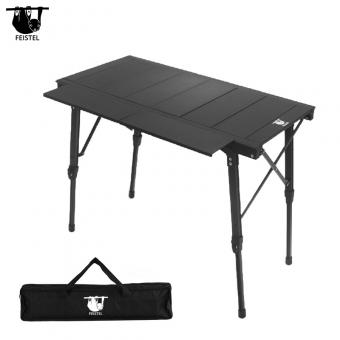
브랜드 : 안휘 FEISTEL 공장 관련제조 : OEM & ODM 상품명 : 다리 높이 조절이 가능한 다용도 휴대용 IGT BBQ 캠핑 테이블입니다. 야외 요리, 캠핑, 피크닉에 이상적입니다. 가볍고 접을 수 있어 휴대가 간편합니다.
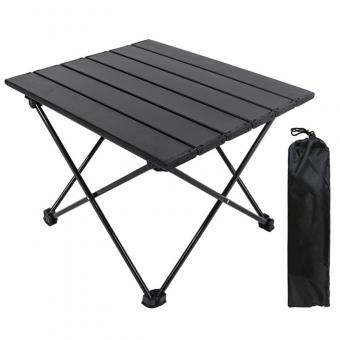
브랜드 : 안휘 FEISTEL 공장 관련제조 : OEM & ODM 상품명 : 캠핑, 해변, 야외활동에 적합한 컴팩트하고 가벼운 알루미늄 접이식 테이블입니다. 휴대하기 쉽고 튼튼하며 음식과 음료를 담는 데 이상적입니다.
상표 : 안후이 파이스텔 공장 제조업과 관련 : OEM 및 ODM 제품 : 이 캠핑용 접이식 나무 라운지 의자는 튼튼한 프레임, 인체공학적 리클라이닝 디자인, 컴팩트한 접이식 구조를 갖추고 있어 해변, 캠핑장 또는 뒷마당에서 휴식을 취하기에 완벽합니다.
상표 : 안후이 파이스텔 공장 제조업과 관련 : OEM 및 ODM 제품 : 이 야외용 접이식 알루미늄 프레임 캠핑 의자는 조절 가능한 등받이와 가볍지만 견고한 디자인을 자랑하며, 캠핑, 해변 여행, 피크닉, 야외 휴식에 휴대하기 편리하고 편안함을 제공합니다.
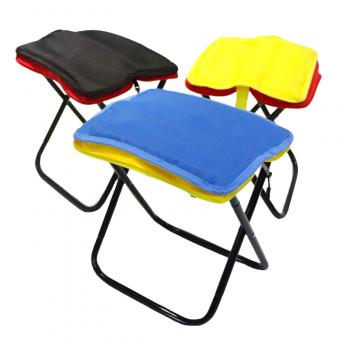
상표 : 안후이 파이스텔 공장 관련 제조 : OEM 및 ODM 제품 : 등산 및 배낭여행용 미니 의자는 내구성이 뛰어난 옥스퍼드 원단으로 접이식 디자인을 갖추고 있으며, 독창적인 필통 주머니가 있어 캠핑과 야외 활동에 휴대성, 편안함, 실용성을 제공합니다.
상표 : 안후이 파이스텔 공장 제조업과 관련 : OEM 및 ODM 제품 : 도매 하이킹 장비 여행용 침대는 높이 조절이 가능한 접이식 캠핑용 침대로, 튼튼한 지지력, 간편한 휴대성, 야외 모험을 위한 편안한 휴식을 제공합니다.
브랜드 : 안휘 FEISTEL 공장 관련제조 : OEM & ODM 상품명 : 내구성이 뛰어난 프레임, 손쉬운 설치, 여행에 편리한 운반 가방을 갖춘 배낭 여행에 적합한 야외용 초경량 싱글 콤팩트 휴대용 접이식 캠핑 침대입니다.
연결 상태를 유지하자 :