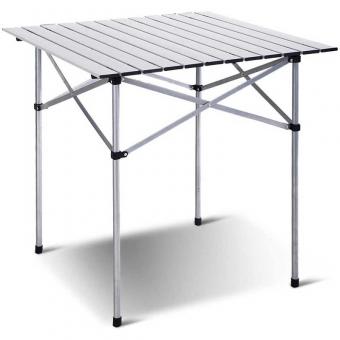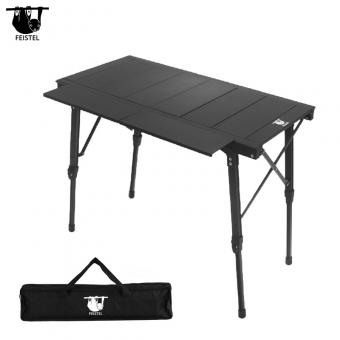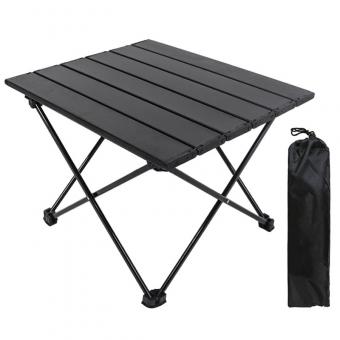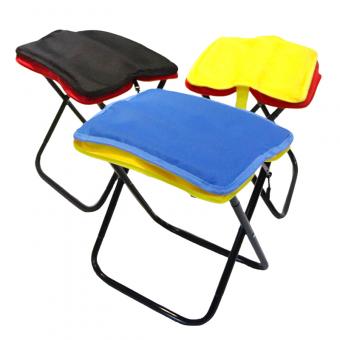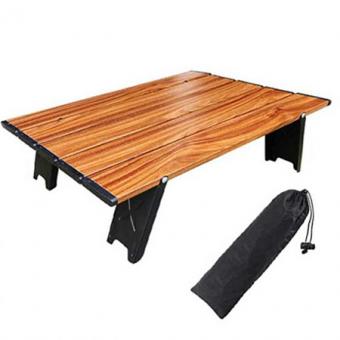
브랜드 : 안휘 FEISTEL 공장 관련제조 : OEM & ODM 상품명 : 야외활동에 적합한 가볍고 작은 접이식 피크닉 테이블입니다. 내구성이 뛰어난 소재로 제작되어 휴대가 간편하고 설치가 쉽습니다.
닐 우리 웹사이트에 오신 것을 환영합니다!
더 알아보기
상상해 보세요. 몇 달 동안 완벽한 가족 캠핑 여행을 계획했습니다. 캠핑장에 도착해서 텐트를 치고 아늑한 저녁 시간을 보내려는데, 갑자기 구름이 몰려오고 바람이 세차게 불더니 비가 내리기 시작합니다. 몇 시간 지나지 않아 텐트 틈새로 물방울이 맺히기 시작합니다. 침낭은 눅눅해지고 아이들은 잠을 설치기 시작합니다. 공들여 계획했던 휴가가 눅눅한 재앙으로 변해가고 있습니다.
이런 상황은 매년 캠핑장에서 벌어지는데, 원인은 거의 항상 두 가지 중 하나입니다. 바로 불충분한 내수압 등급이나 제대로 밀봉되지 않은 이음새입니다. 비 오는 날 캠핑을 할 때는 이러한 기술 사양이 실제로 어떤 역할을 하는지 이해하는 것이 쾌적하고 건조한 캠핑을 할지, 아니면 비에 흠뻑 젖어 비참한 밤을 보낼지를 결정짓는 중요한 요소가 될 수 있습니다.
이 가이드는 마케팅 용어를 쉽게 풀어 설명하여 4인용 텐트에서 내수압과 심테이핑 처리가 정확히 무엇을 의미하는지 알려줍니다. 이를 통해 악천후 속에서도 가족을 안전하게 보호할 수 있는 텐트를 선택하는 데 도움을 드립니다.
수압 내하 등급은 텐트의 방수 성능을 측정하는 업계의 주요 기준입니다. 하지만 600mm, 3000mm, 5000mm와 같은 이 수치는 실제 폭우 속에서 텐트가 얼마나 잘 작동할지에 대해 무엇을 알려줄까요?
텐트의 방수 등급은 밀리미터 단위로 측정되며, 원단이 누수 없이 견딜 수 있는 수압의 높이를 나타냅니다. 이 테스트는 직물 샘플을 물이 담긴 튜브 아래에 넣고 직물이 새기 시작하기 전까지 수주가 얼마나 높이 올라갈 수 있는지를 측정하는 방식으로 진행됩니다. 3000mm 등급은 직물이 3000mm(약 9.8피트) 높이의 수주를 24시간 이상 새지 않고 견딜 수 있음을 의미합니다. .
영국 국방부는 내수압 800mm 이상의 직물을 방수 직물로 분류합니다. 하지만 지속적인 비 속에서 안정적인 캠핑을 위해서는 더 높은 등급이 필수적입니다. 다양한 등급의 비교는 다음과 같습니다.
평가
성능 수준
적합한 대상
600~1500mm
가벼운 비로부터 보호해 줍니다
날씨 좋은 날 캠핑하기, 건조한 기후
2000~3000mm
보통에서 많은 양의 비
삼계절 캠핑, 주말 여행
4000~5000mm
폭우와 폭풍
장기간 여행, 노출된 장소
5000mm 이상
극한 기상 현상
고산 지대 환경, 연중 캠핑 가능
600~1000mm: 기본 보호
콜맨 선돔 4와 같은 텐트는 600mm의 방수 성능을 갖추고 있습니다.
최소한의 방수 기능만 제공합니다. 기술적으로는 방수로 분류되지만, 이러한 등급은 건조한 날씨나 아주 약한 소나기에 가장 적합합니다. 지속적인 비가 내리면 원단이 결국 젖어서 물이 샐 수 있습니다.
2000mm: 적당한 수준의 견고한 보호 기능
로벤스 벤처러 4 LW에서 볼 수 있는 2000mm의 내수압은 일반적인 3계절 캠핑에 필요한 안정적인 보호 기능을 제공합니다.
이 텐트는 적당한 강우량과 간헐적인 폭우를 문제없이 견뎌냅니다. Venturer 4 LW는 2000mm 플라이시트와 견고한 5000mm 바닥을 결합하여 지면 습도가 가장 중요한 곳에서 확실한 보호 기능을 제공합니다.
.
3000mm: 비 오는 날 캠핑에 딱 맞는 최적의 강우량
습한 환경에서 정기적으로 캠핑을 하는 가족들에게 3000mm 방수 등급은 믿을 수 있는 보호를 위한 최소 기준으로 널리 여겨집니다.
이 정도 수준의 텐트로는 트레일 브래큰 4인용 페스티벌 텐트 등이 있습니다.
또는 콜먼 쿡 4
지속적인 비, 바람에 날리는 습기, 심지어 약간의 물웅덩이까지도 자신 있게 처리할 수 있습니다.
트레일 브래큰 텐트의 3000mm 방수 플라이시트는 이중 구조와 심테이핑 처리로 제조사가 "탁월한 방수 성능"이라고 부르는 수준을 제공하며, "폭우가 쏟아져도 캠핑 여행을 망칠 염려가 없다"고 합니다. .
4000~5000mm: 장기간 기상 조건에도 안전함
장기간 여행을 계획하거나 노출된 산악 지역 또는 비가 자주 내리는 지역에서 캠핑을 하는 가족의 경우 4000~5000mm의 방수 등급은 추가적인 안전 마진을 제공합니다. 콜맨 베일 4 롱은 4000mm의 방수 성능을 자랑합니다.
반면, 브레이즌 4인용 공기주입식 텐트는 최대 5000mm의 방수 성능을 자랑하며, 특히 폭우 속에서도 텐트 안을 쾌적하게 유지하고 사계절 캠핑에 적합하도록 설계되었습니다.
.
내수압이 5000mm에 달하는 텐트라도 이음새가 제대로 밀봉되지 않으면 누수가 발생할 수 있습니다. 이음새가 중요한 이유와 다양한 이음새 처리 방식의 효과를 알아보세요.
텐트의 모든 바느질은 방수 원단에 바늘구멍, 즉 아주 작은 구멍을 만들어냅니다. 일반적인 텐트에는 이음새를 따라 수천 개의 미세한 구멍이 있습니다. 보호 장치가 없으면 비가 올 때 모세관 현상을 이용해 물이 이러한 틈새로 스며들게 됩니다. .
제조업체는 이러한 취약점을 해결하기 위해 두 가지 주요 방법을 사용하며, 이 두 방법의 차이점을 이해하면 실제로 어떤 제품을 구매하는지 평가하는 데 도움이 됩니다.
심 테이핑 공장에서 적용되는 공정으로, 바늘 구멍으로 물이 들어가는 것을 막기 위해 이음새 위에 폴리우레탄 필름을 씌우는 것입니다. 특수 장비가 열과 압력을 가해 테이프를 원단에 접착시켜 영구적인 방수 장벽을 만듭니다. 제대로 시공된 경우, 테이프는 육안으로 거의 보이지 않습니다. .
예를 들어, Robens Venturer 4 LW는 "테이핑 처리된 이음새"를 주요 특징으로 명시하고 있습니다. 이러한 공장 출하 시 적용 처리는 텐트가 추가 작업 없이 바로 비 오는 날씨에 대비할 수 있도록 준비되어 있음을 의미합니다.
이음매 밀봉 이 과정은 이음새 부분에 액체 밀봉제, 즉 접착제 층을 바르는 것을 포함합니다. 이 작업은 공장에서 또는 사용자가 유지 보수 차원에서 수행할 수 있습니다. 실링제가 봉제 구멍으로 스며들어 시간이 지남에 따라 경화되는 방수막을 형성합니다. .
일부 텐트, 특히 실리콘 코팅 원단으로 제작된 텐트는 표면이 미끄러워 공장에서 심테이핑 처리를 할 수 없습니다. 이러한 경우에는 공장에서 이음매를 밀봉하거나 사용자가 실런트를 도포해야 합니다.
비 오는 날 캠핑용 4인용 텐트를 평가할 때:
완전 테이핑 처리된 솔기 이는 플라이시트와 바닥을 포함한 모든 주요 이음새가 공장에서 밀봉 처리되었음을 나타냅니다. 이는 방수 시공의 최고 기준입니다.
중요한 부분에 테이프를 붙인 솔기 이는 가장 취약한 솔기 부분(일반적으로 플라이시트 부분)만 테이핑 처리하고 나머지는 처리하지 않은 채로 둔다는 것을 의미합니다. 이는 맑은 날씨의 캠핑에는 적합하지만 지속적인 비가 내릴 때는 신뢰도가 떨어집니다.
이음매 밀봉 필요 텐트에는 방수제와 사용 설명서가 함께 제공되며, 사용 전에 직접 도포해야 한다는 의미입니다.
트레일 브래큰 4는 방수 기능의 일환으로 "내구성이 뛰어난 테이핑 처리된 솔기"를 명시하고 있습니다. 반면 콜맨 선돔 4는 사양에 "테이프로 마감된 이음새"를 명시하고 있습니다. .
내수압과 심테이핑 처리는 필수적이지만, 그것만으로는 충분하지 않습니다. 진정으로 악천후에 대비할 수 있는 4인용 텐트는 여러 가지 보호 요소를 모두 갖춰야 합니다.
품질 좋은 방수 텐트의 바닥은 측면까지 몇 인치 정도 올라와 있는데, 이러한 디자인을 "욕조 바닥"이라고 합니다. 이음새 없는 그릇 모양의 구조는 바닥 틈새로 물이 스며드는 것을 막아주며, 바닥이 고르지 않거나 습한 경우에도 물이 고여 내부로 스며드는 것을 방지합니다. .
로벤스 벤처러 4 LW는 5000mm의 내수압을 가진 바닥면을 통해 이러한 접근 방식을 잘 보여줍니다. 이는 2000mm의 플라이시트보다 훨씬 높은 수치로, 지면 습기로부터 완벽한 보호를 보장합니다. .
지퍼는 물이 스며들기 쉬운 취약한 부분입니다. . 고품질 텐트 지퍼를 덮는 보호용 천 커버인 레인 플랩이 있어 비가 직접 닿는 것을 방지합니다. 방수 지퍼와 결합된 이 기능은 폭우 시 누수를 크게 줄여줍니다. .
이중 구조 텐트, 즉 플라이시트와 이너텐트가 분리된 텐트는 탁월한 방수 기능을 제공합니다. 외부 레이어는 물을 튕겨내고, 내부 레이어는 통풍과 결로 방지 기능을 제공합니다. 트레일 브래큰 4는 "뛰어난 방수 기능을 위한 이중 구조"라고 명시적으로 설명되어 있습니다. .
비가 오는 날씨에는 강수와 함께 바람이 부는 경우가 많습니다. 바람에 흔들리고 펄럭이는 텐트는 이음새에 무리를 주고 물이 스며들 수 있습니다. 비틀림 안정성을 높여주는 고정끈이 미리 부착된 텐트를 선택하세요. 브레이즌 에어 텐트는 "각 가이라인이 여러 지점에 연결되어 최고의 비틀림 안정성을 제공하는" 고급 가이라인 시스템을 갖추고 있습니다. .
위에서 논의한 사양 및 실제 고려 사항을 바탕으로, 습한 환경에서 캠핑하는 가족에게 적합한 탁월한 네 가지 옵션은 다음과 같습니다.
|
텐트 모델
|
정수압수
|
이음매 구조
|
주요 특징
|
가장 적합한 대상
|
|
로벤스 벤처러 4 LW
|
플라이시트 2000mm / 바닥 5000mm
|
테이프 처리된 솔기
|
티피 디자인, 최대 풍속 113km/h, 무게 2.99kg
|
무게에 민감한 캠핑족을 위한 견고한 보호 장비
|
|
트레일 브래큰 4
|
3000mm
|
테이프 처리된 솔기
|
다크존 침실, 앞쪽 현관, 4kg
|
축제 및 주말 캠핑, 적당한 비
|
|
콜먼 베일 4 롱
|
4000mm
|
공장 밀봉
|
침실 2개, 넓은 현관, 16kg
|
넓은 공간과 믿을 수 있는 폭풍 피해 방지 시설을 원하는 가족들
|
|
브레이즌 에어 텐트
|
5000mm
|
공장 밀봉
|
공기 주입식 폴대, AGS 가이 시스템, 스탠딩 높이
|
연중 내내 습한 환경에서 캠핑 가능
|
아무리 좋은 텐트라도 방수 기능을 유지하려면 관리가 필요합니다. 소중한 텐트의 성능을 오랫동안 유지할 수 있도록 다음 방법을 알아보세요.
일부 텐트는 처음 사용하기 전에 이음새 방수 처리가 필요합니다. 텐트 사양에 "이음새 방수 처리 필수"라고 명시되어 있다면, 제조사의 지침에 따라 노출된 모든 이음새에 방수제를 바르십시오.
심 테이프는 자외선 노출과 일반적인 마모로 인해 시간이 지남에 따라 성능이 저하될 수 있습니다. 텐트의 이음새 부분을 매년 점검하여 테이프가 벗겨지거나 갈라지거나 떨어져 나가는 부분이 있는지 확인하십시오. 손상된 부분이 발견되면 해당 부위에 이음새 방수제를 바르십시오. .
텐트는 순한 비누와 물로 세척하고, 방수 코팅을 벗겨낼 수 있는 세제는 사용하지 마십시오. 텐트를 절대 젖은 상태로 보관하지 마십시오. 곰팡이가 생기면 원단의 내구성과 방수 성능이 저하됩니다. 텐트는 접히지 않도록 느슨하게 접어서 서늘하고 건조한 곳에 보관하십시오. .
실제 비를 맞을 4인용 텐트의 사양을 읽을 때는 다음 세 가지 요소에 집중하세요.
최소 3000mm의 정수압 믿을 수 있는 3계절 보호 기능을 원하시거나, 장기간 우천 시에도 안심하고 사용하실 수 있도록 4000mm 이상의 방수 성능을 원하신다면 이 제품을 선택하세요.
완전 테이핑 처리된 솔기 공장에서 적용되는 사항입니다. 지속적인 비에 노출될 텐트의 경우 이는 필수 조건입니다.
이러한 사양에 더해 텐트를 제대로 설치하면(텐트 팩을 박고, 플라이시트를 고정하고, 배수가 잘 되는 캠핑 장소를 선택하는 것) 비 오는 날에도 쾌적하고 건조한 캠핑 환경을 만들어 좋은 추억으로 남을 수 있습니다.
심실링 처리된 3000mm 방수 텐트는 폭우를 견뎌낼 뿐만 아니라, 머리 위로 빗방울이 떨어지는 동안 가족 모두를 쾌적하게 보호해 줍니다. 이러한 사양은 단순한 라벨의 숫자가 아니라, 날씨가 변덕스러워질 때 안심할 수 있는 진정한 가치를 제공합니다.
카테고리
브랜드 : 안휘 FEISTEL 공장 관련제조 : OEM & ODM 상품명 : 야외활동에 적합한 가볍고 작은 접이식 피크닉 테이블입니다. 내구성이 뛰어난 소재로 제작되어 휴대가 간편하고 설치가 쉽습니다.
상표 : 안후이 파이스텔 공장 제조업과 관련 : OEM 및 ODM 제품 : 맞춤형 경량 금속 철 접이식 문 의자는 야외 캠핑에 이상적인 내구성 있는 지지력과 편안함을 제공하며, 휴대하기 편리한 소형 디자인으로 운반 및 보관이 간편합니다.
브랜드 : 안휘 FEISTEL 공장 관련제조 : OEM & ODM 제품 : 야외 휴대용 접이식 롤업 피크닉 테이블: 가볍고 내구성이 뛰어난 알루미늄 디자인으로 높이 조절이 가능하고 설치가 간편하며 캠핑, 피크닉, 야외 활동을 위한 컴팩트한 운반용 가방이 있습니다.
브랜드 : 안휘 FEISTEL 공장 관련제조 : OEM & ODM 상품명 : 다리 높이 조절이 가능한 다용도 휴대용 IGT BBQ 캠핑 테이블입니다. 야외 요리, 캠핑, 피크닉에 이상적입니다. 가볍고 접을 수 있어 휴대가 간편합니다.
브랜드 : 안휘 FEISTEL 공장 관련제조 : OEM & ODM 상품명 : 캠핑, 해변, 야외활동에 적합한 컴팩트하고 가벼운 알루미늄 접이식 테이블입니다. 휴대하기 쉽고 튼튼하며 음식과 음료를 담는 데 이상적입니다.
상표 : 안후이 파이스텔 공장 제조업과 관련 : OEM 및 ODM 제품 : 이 캠핑용 접이식 나무 라운지 의자는 튼튼한 프레임, 인체공학적 리클라이닝 디자인, 컴팩트한 접이식 구조를 갖추고 있어 해변, 캠핑장 또는 뒷마당에서 휴식을 취하기에 완벽합니다.
상표 : 안후이 파이스텔 공장 제조업과 관련 : OEM 및 ODM 제품 : 이 야외용 접이식 알루미늄 프레임 캠핑 의자는 조절 가능한 등받이와 가볍지만 견고한 디자인을 자랑하며, 캠핑, 해변 여행, 피크닉, 야외 휴식에 휴대하기 편리하고 편안함을 제공합니다.
상표 : 안후이 파이스텔 공장 관련 제조 : OEM 및 ODM 제품 : 등산 및 배낭여행용 미니 의자는 내구성이 뛰어난 옥스퍼드 원단으로 접이식 디자인을 갖추고 있으며, 독창적인 필통 주머니가 있어 캠핑과 야외 활동에 휴대성, 편안함, 실용성을 제공합니다.
상표 : 안후이 파이스텔 공장 제조업과 관련 : OEM 및 ODM 제품 : 도매 하이킹 장비 여행용 침대는 높이 조절이 가능한 접이식 캠핑용 침대로, 튼튼한 지지력, 간편한 휴대성, 야외 모험을 위한 편안한 휴식을 제공합니다.
브랜드 : 안휘 FEISTEL 공장 관련제조 : OEM & ODM 상품명 : 내구성이 뛰어난 프레임, 손쉬운 설치, 여행에 편리한 운반 가방을 갖춘 배낭 여행에 적합한 야외용 초경량 싱글 콤팩트 휴대용 접이식 캠핑 침대입니다.
연결 상태를 유지하자 :